
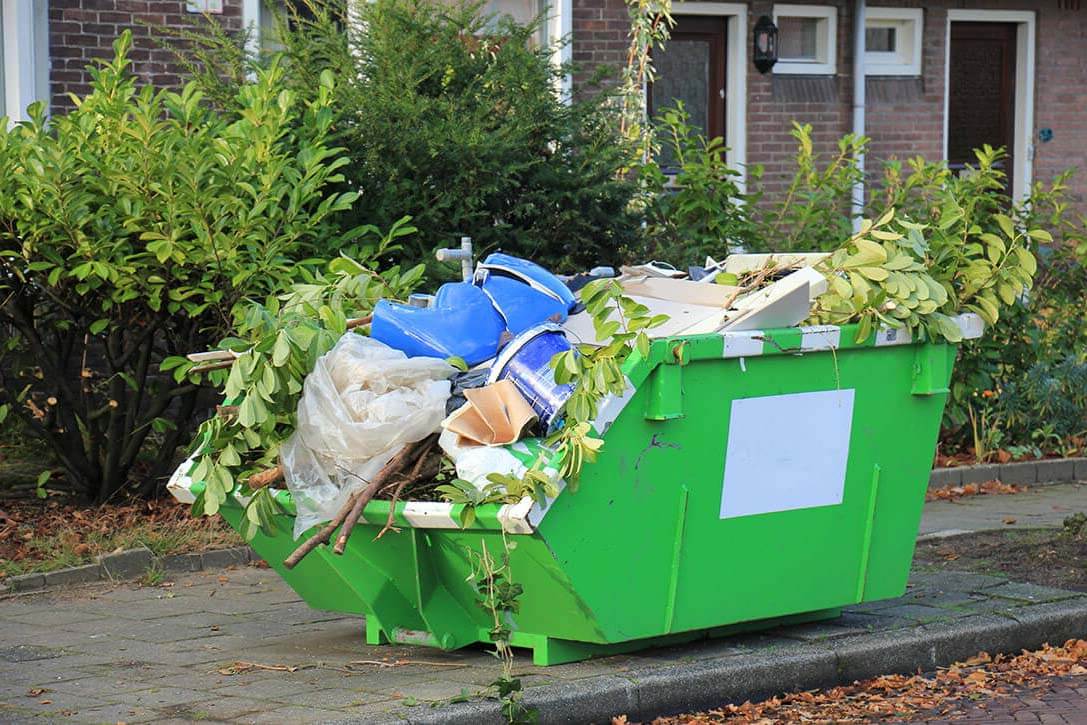
Gardens bring life, beauty, and ecological value to homes and communities. However, every healthy garden produces organic waste such as leaves, branches, grass clippings, and plant trimmings. When this material accumulates, many homeowners wonder how to dispose of it in a responsible way. Proper green waste management not only keeps properties tidy but also supports environmental sustainability and healthier ecosystems.
Many homeowners rely on professional green waste pickup services to handle large volumes of garden debris quickly and safely. These services collect organic materials from residential or commercial properties and transport them to recycling or composting facilities. As a result, garden waste avoids landfill and instead becomes valuable compost or mulch that benefits soil and plant growth.
What Is Green Waste?
Green waste refers to biodegradable material generated from gardens, landscaping projects, and outdoor maintenance. Unlike general household waste, green waste consists entirely of organic plant matter.
Common types of green waste include:
- Grass clippings
- Leaves and twigs
- Small branches
- Hedge trimmings
- Flowers and plant cuttings
- Tree bark and wood chips
Because these materials decompose naturally, they can be recycled into compost, mulch, or soil conditioners. Therefore, responsible disposal plays an important role in reducing landfill waste while supporting sustainable gardening practices.
Why Responsible Green Waste Disposal Matters
Many people underestimate the environmental impact of garden waste. When organic waste ends up in landfills, it decomposes without enough oxygen. Consequently, the process releases methane, a greenhouse gas that contributes to climate change.
Responsible waste management provides several important benefits.
Reduces Landfill Waste
Organic waste can occupy large volumes of landfill space. By using proper green waste pickup services or recycling programs, homeowners can divert biodegradable material away from landfills and reduce environmental strain. Checkout https://www.sciencedirect.com/topics/engineering/biodegradable-material for more information about biodegradable material.
Supports Soil Health
Recycled green waste often becomes compost or mulch. These materials enrich soil with nutrients and improve moisture retention. As a result, gardens grow healthier plants while reducing the need for chemical fertilizers.
Protects Local Water Systems
Organic debris left unmanaged can wash into storm drains during heavy rain. This runoff may carry nutrients and organic material into rivers or lakes, which can disrupt aquatic ecosystems. Responsible disposal helps prevent these environmental issues.
Common Sources of Garden Waste
Every garden generates different types of organic waste depending on the plants, climate, and maintenance practices involved.
Seasonal Garden Maintenance
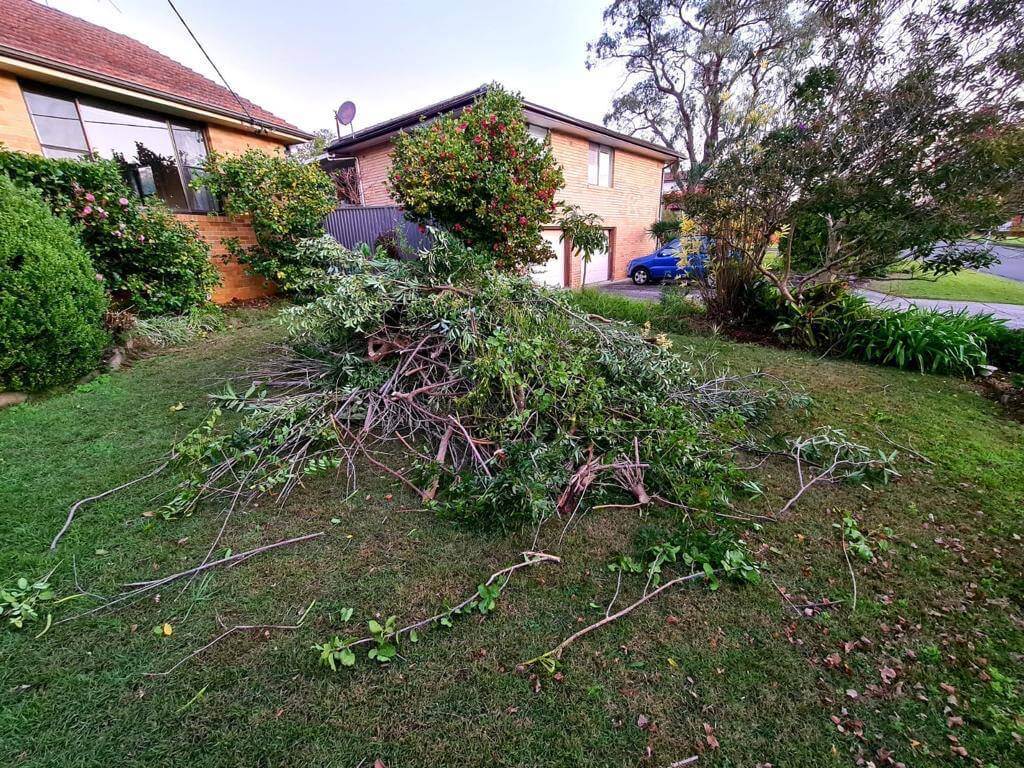
Regular pruning and trimming produce significant amounts of green waste. Spring and autumn often generate the largest volume because gardeners remove dead branches, fallen leaves, and plant debris.
Landscaping Projects
When homeowners redesign outdoor spaces, they often remove shrubs, small trees, or large plant beds. These activities produce heavy organic waste that requires proper disposal or recycling.
Tree and Hedge Care
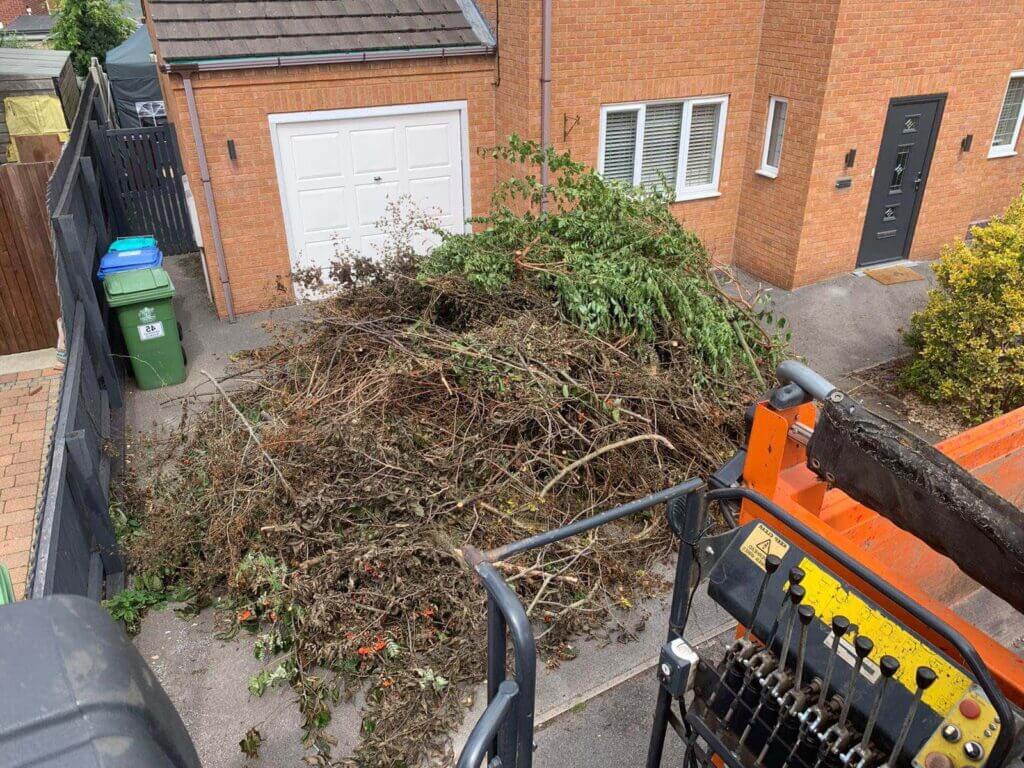
Trees and hedges require regular trimming to remain healthy and safe. Branches, wood chips, and foliage can accumulate quickly during maintenance projects. In these cases, scheduling a green waste pickup service helps remove large volumes efficiently. Learn more also about tree removal cost in Sydney.
Methods for Disposing of Green Waste Responsibly
Several environmentally friendly options exist for handling garden waste. Choosing the right method depends on the amount of waste, available space, and local recycling programs.
Composting at Home
Composting remains one of the most sustainable ways to recycle organic waste. Gardeners place leaves, grass clippings, and plant material in a compost bin where natural decomposition transforms the waste into nutrient-rich soil.
Benefits of composting include:
- Reduced household waste
- Improved soil fertility
- Lower need for chemical fertilizers
- Support for sustainable gardening
However, composting requires patience and proper balance between green materials and dry organic matter.
Mulching Garden Debris
Mulching involves shredding plant material into smaller pieces and spreading it around garden beds. This practice protects soil from extreme temperatures while also retaining moisture.
In addition, mulch gradually breaks down and releases nutrients into the soil. Therefore, many gardeners prefer this method for recycling organic waste within their own landscapes.
Council Green Waste Programs
Many cities offer green waste recycling services through dedicated bins or scheduled collection days. Residents place garden debris in approved containers, and local authorities transport the waste to composting facilities.
However, large garden projects may generate more debris than standard bins can handle. In those situations, professional green waste pickup services often provide a faster and more practical solution.
Professional Green Waste Removal Services
Large volumes of garden waste require specialized handling and transportation. Professional removal services collect branches, leaves, and other organic debris from properties and deliver them to recycling centers.
These services offer several advantages:
- Quick removal of large waste volumes
- Safe handling of heavy branches and debris
- Environmentally responsible recycling methods
- Reduced workload for property owners
Because professional teams handle sorting and disposal, homeowners save time while supporting sustainable waste management practices.
Environmental Benefits of Green Waste Recycling
Recycling garden waste produces many environmental benefits that extend beyond individual properties.
Reduces Greenhouse Gas Emissions
Organic waste decomposes differently in landfills than it does in composting facilities. Composting allows oxygen to support natural decomposition, which significantly reduces methane production.
As a result, responsible waste management helps reduce harmful greenhouse gas emissions.
Improves Soil Quality
Compost created from recycled green waste contains essential nutrients that support plant growth. Farmers, landscapers, and gardeners often use compost to improve soil structure and fertility.
Healthy soil also absorbs water more effectively, which helps reduce runoff and erosion during storms.
Supports Sustainable Landscapes
Sustainable gardening practices rely heavily on recycled organic materials. Mulch and compost derived from garden waste support plant health while reducing dependence on synthetic chemicals.
Consequently, proper waste recycling contributes to healthier ecosystems and more resilient landscapes.
How Green Waste Affects Water Systems
Organic waste may appear harmless, but improper disposal can affect nearby water systems.
When leaves, grass, and plant debris enter storm drains, rainwater carries them into rivers or lakes. Excess nutrients released during decomposition may cause algae growth and oxygen depletion in water bodies.
This process disrupts aquatic ecosystems and harms fish populations. Therefore, responsible disposal and regular green waste pickup help prevent organic debris from entering waterways.
By managing garden waste properly, homeowners protect both their landscapes and local water environments.
Tips for Reducing Garden Waste
Although removal services help manage organic debris, gardeners can also reduce waste through smart landscaping practices.
Choose Native Plants
Native plants adapt well to local climates and require less maintenance. Because they grow naturally in the environment, they often produce less waste compared to high-maintenance ornamental plants.
Practice Smart Pruning
Pruning plants carefully and at the correct time prevents unnecessary cutting. Healthy pruning techniques promote plant growth while minimizing waste.
Reuse Organic Materials
Instead of discarding plant debris immediately, gardeners can reuse it as mulch or compost. This practice keeps organic matter within the garden ecosystem.
Schedule Regular Maintenance
Frequent garden maintenance prevents large piles of debris from building up. When waste appears gradually, homeowners can manage it more easily through composting or scheduled green waste pickup services.
Choosing a Responsible Green Waste Service
Selecting the right service provider ensures that garden waste receives proper recycling treatment.
Homeowners should look for services that:
- Follow environmentally responsible disposal practices
- Transport waste to certified recycling facilities
- Handle organic materials safely
- Provide efficient collection schedules
Experienced professionals also understand how to manage different types of garden waste while minimizing environmental impact.
The Future of Green Waste Management
As cities expand and environmental awareness grows, green waste management continues to evolve. Communities increasingly prioritize recycling and sustainable disposal methods.
Innovations in composting technology and organic recycling programs now allow large volumes of garden waste to be converted into valuable soil products. These solutions help reduce landfill dependency while supporting agriculture and landscaping industries.
At the same time, professional green waste pickup services play a growing role in helping households and businesses manage organic waste responsibly.
Conclusion
Garden waste forms a natural part of maintaining beautiful landscapes, but responsible disposal remains essential for environmental protection. Leaves, branches, and plant debris should never be treated as ordinary trash. Instead, these materials offer valuable opportunities for recycling and soil enrichment.
By composting, mulching, or arranging professional green waste pickup, homeowners can manage organic waste in a sustainable way. These practices reduce landfill pressure, protect water systems, and support healthier ecosystems.
Ultimately, responsible green waste management benefits not only individual gardens but also the wider environment. When communities choose sustainable disposal methods, they help create greener cities and healthier natural landscapes for future generations.