Firewood Sydney buyers often focus on the price of a load, but moisture content and species determine whether the wood produces useful heat. Wet or freshly cut timber smoulders, creates smoke and can contribute to chimney deposits. Properly seasoned hardwood costs more because it has been split, stored and handled correctly.
Before ordering, confirm what species you are buying, how the volume is measured, whether the logs are dry enough for your appliance and what delivery includes. A large-looking trailer is not necessarily a large quantity of usable wood.
Choosing a Hardwood Species
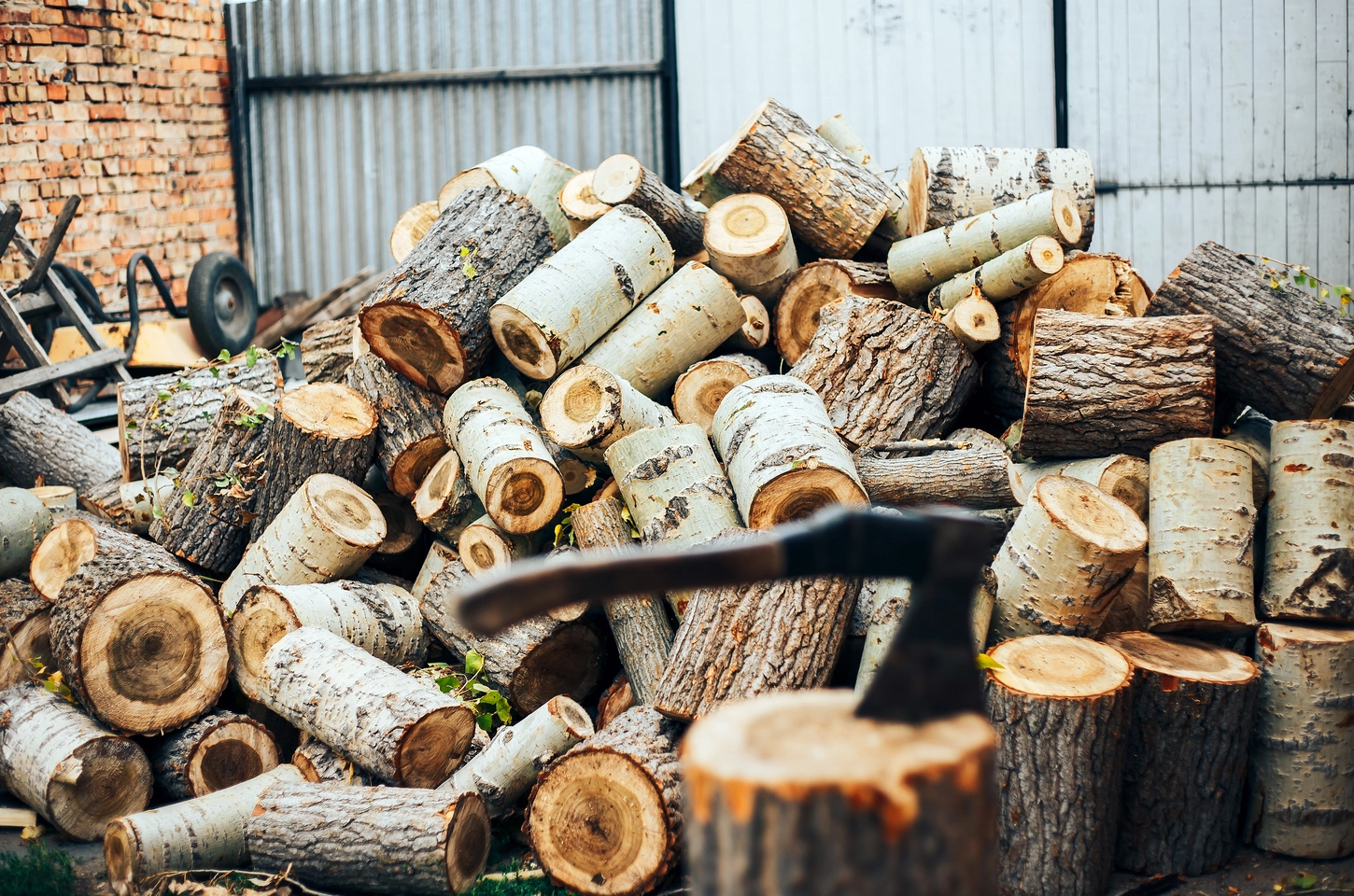
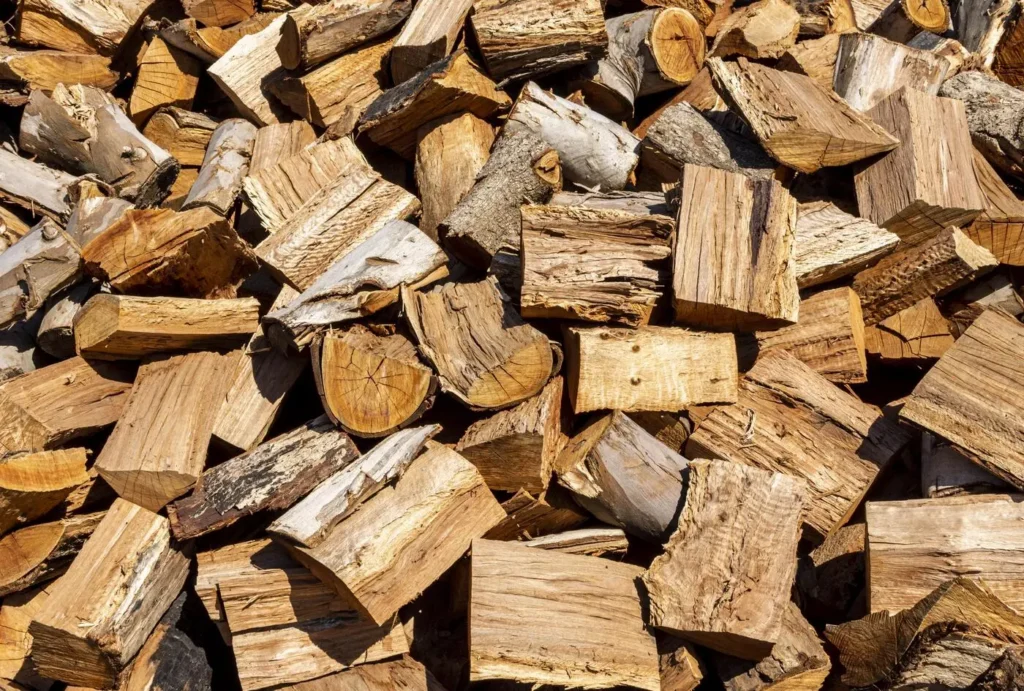
Dense Australian hardwoods such as ironbark, red gum, spotted gum and seasoned eucalypt generally burn longer and form durable coals. Ironbark can provide long-lasting heat, while red gum is popular for steady burning. Mixed hardwood can be perfectly suitable, but ask what the mix contains.
Softwood may light quickly but burn faster. It can be useful for kindling or starting a fire, but it is not always the best main fuel for a slow-combustion heater. Large rounds may need further splitting to fit the firebox and dry properly.
Never burn painted, treated, glued, laminated or contaminated timber. Construction offcuts can contain chemicals and metals that damage appliances and pollute indoor and outdoor air.
Seasoning and Moisture
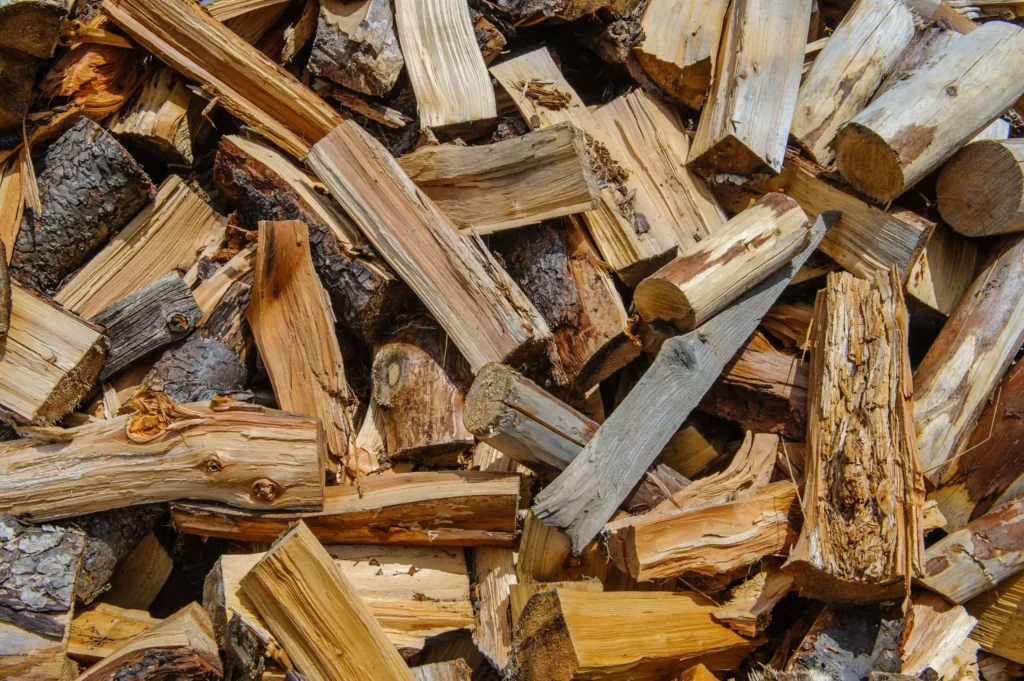
Freshly cut wood can hold substantial water. Seasoning commonly takes six to eighteen months, depending on species, split size, airflow and shelter. Dense hardwood may take longer. Wood covered tightly in plastic can stay damp because moisture cannot escape.
A moisture meter is the best practical check when used on a freshly split face, not only the outside of a log. End cracks, lighter weight and a sharper sound when logs are knocked together are useful clues, but they do not replace measurement.
If a supplier says the wood is “seasoned,” ask how long it has been stored and whether it has been split. A load that has sat outdoors for a few weeks is not necessarily ready to burn.
Understanding Delivery Measures
Firewood may be sold by a loose cubic metre, stacked cubic metre, trailer load, crate, bag or a vague
“truckload.” These measures contain different amounts of air. Ask the supplier to explain the quantity and log length in writing.
Confirm delivery distance, minimum order, access requirements and whether stacking is included. A steep driveway, narrow lane or low bridge may require a smaller vehicle. If stacking is extra, decide where the wood will be placed before the truck arrives.
Sydney Price Guide
Kindling bags commonly cost $10 to $25. Small delivered loads may range from $180 to $300. Premium seasoned hardwood can cost $300 to $500 or more depending on volume, species, dryness and distance. Cheap fresh wood may cost more in the long run because it needs another season of storage and burns poorly.
Compare the usable dry volume rather than the advertised number. Ask whether delivery and stacking are included. A supplier who avoids clear answers is not worth the risk.
Storage in Sydney Weather
Sydney rain and humidity can re-wet firewood quickly. Store logs off the ground on pallets or rails, under a roof or open-sided cover. Air must move through the stack. Do not seal the whole pile in plastic, and do not stack it directly against the house wall.
Keep the pile tidy and inspect it for pests. Firewood sydney can shelter termites, ants and other insects. Bring in only a small amount at a time rather than storing a large pile indoors. Follow the manufacturer’s instructions for your heater and chimney.
Responsible Supply
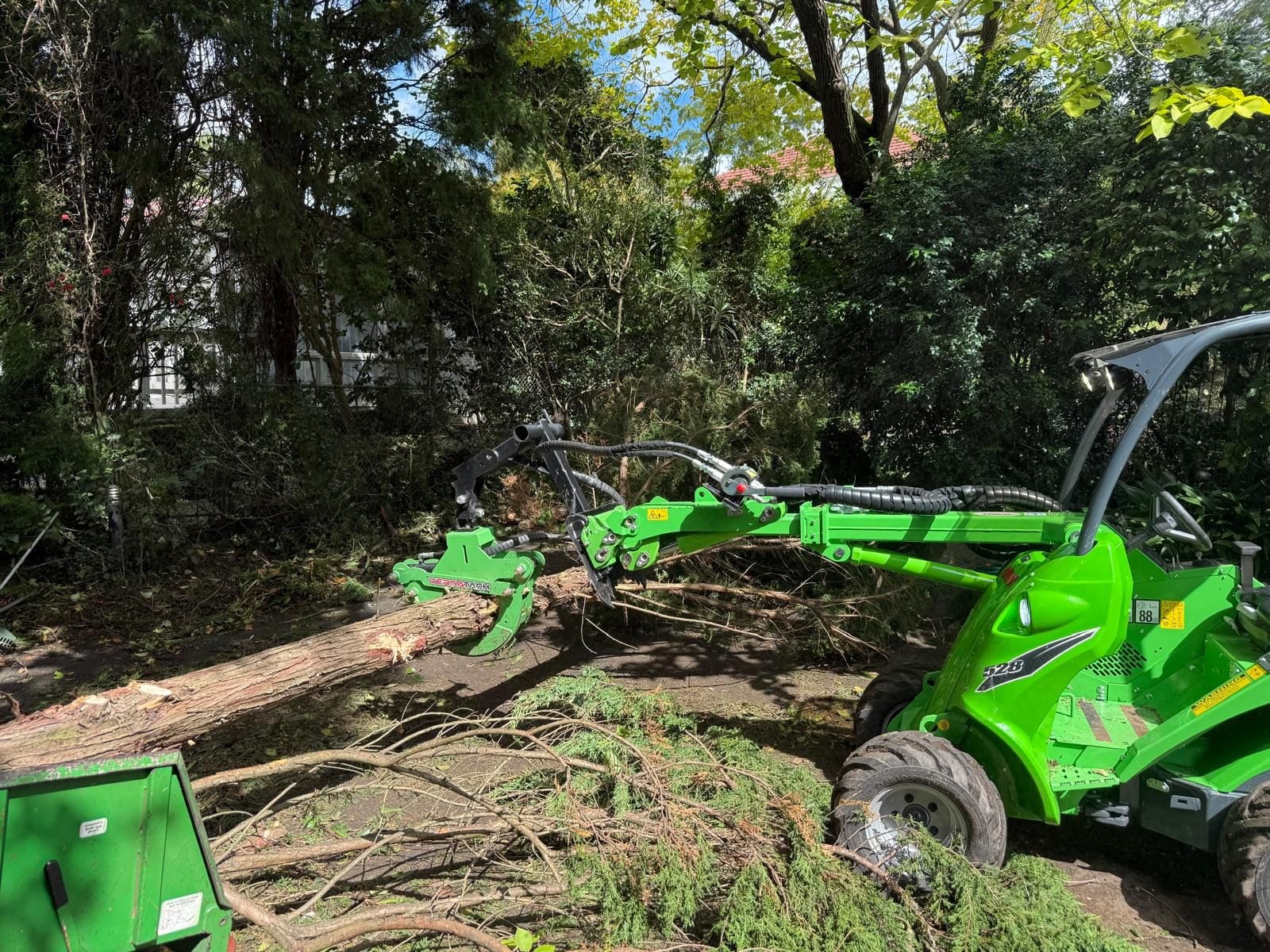
Firewood from legitimate arboricultural removals can be a useful by-product. However, a tree should not be removed simply to create firewood. The NSW EPA garden-organics information explains responsible handling and transport of tree material.
Urban trees provide shade, cooling and habitat. Research from the University of Technology Sydney canopy project provides useful context. Firewood should be recovered from necessary tree work, not treated as a reason for unnecessary removal.
Safe Burning Practices
Use only dry, suitable firewood. Do not overload the appliance, burn rubbish or leave an open fire unattended. Have chimneys and flues inspected according to the appliance manufacturer’s guidance. Keep children, pets and combustible materials away from the fire.
If smoke is persistent, the wood may be wet, the fire may be starved of oxygen or the appliance may need attention. Burning wet wood is not a solution to a low-quality load.
Choosing a Supplier
Ask for species, moisture, volume, log length, delivery terms and a clear price. Check reviews for comments about dryness and quantity rather than only punctuality. A reliable supplier will explain the measure and not hide behind a photograph.