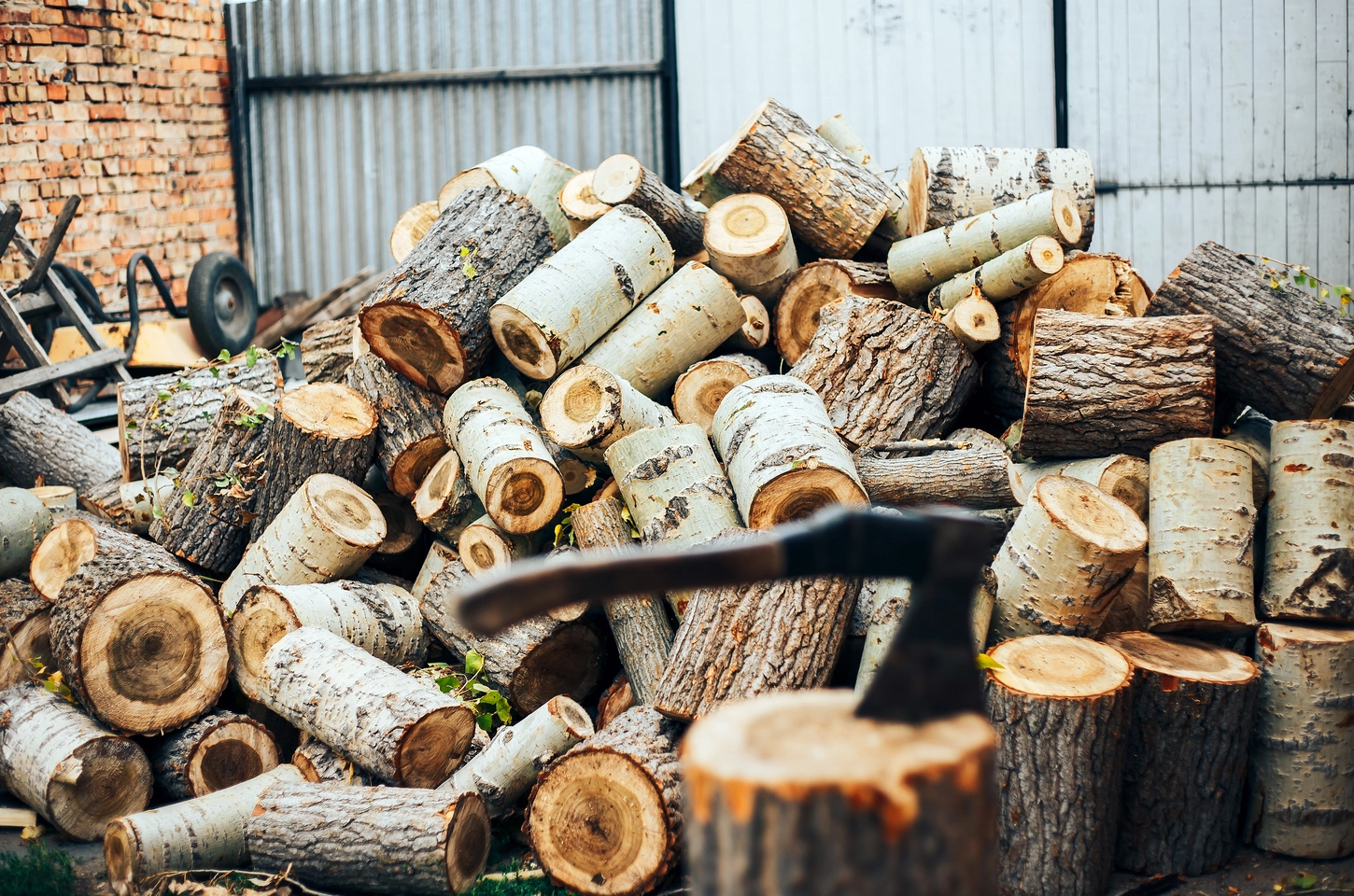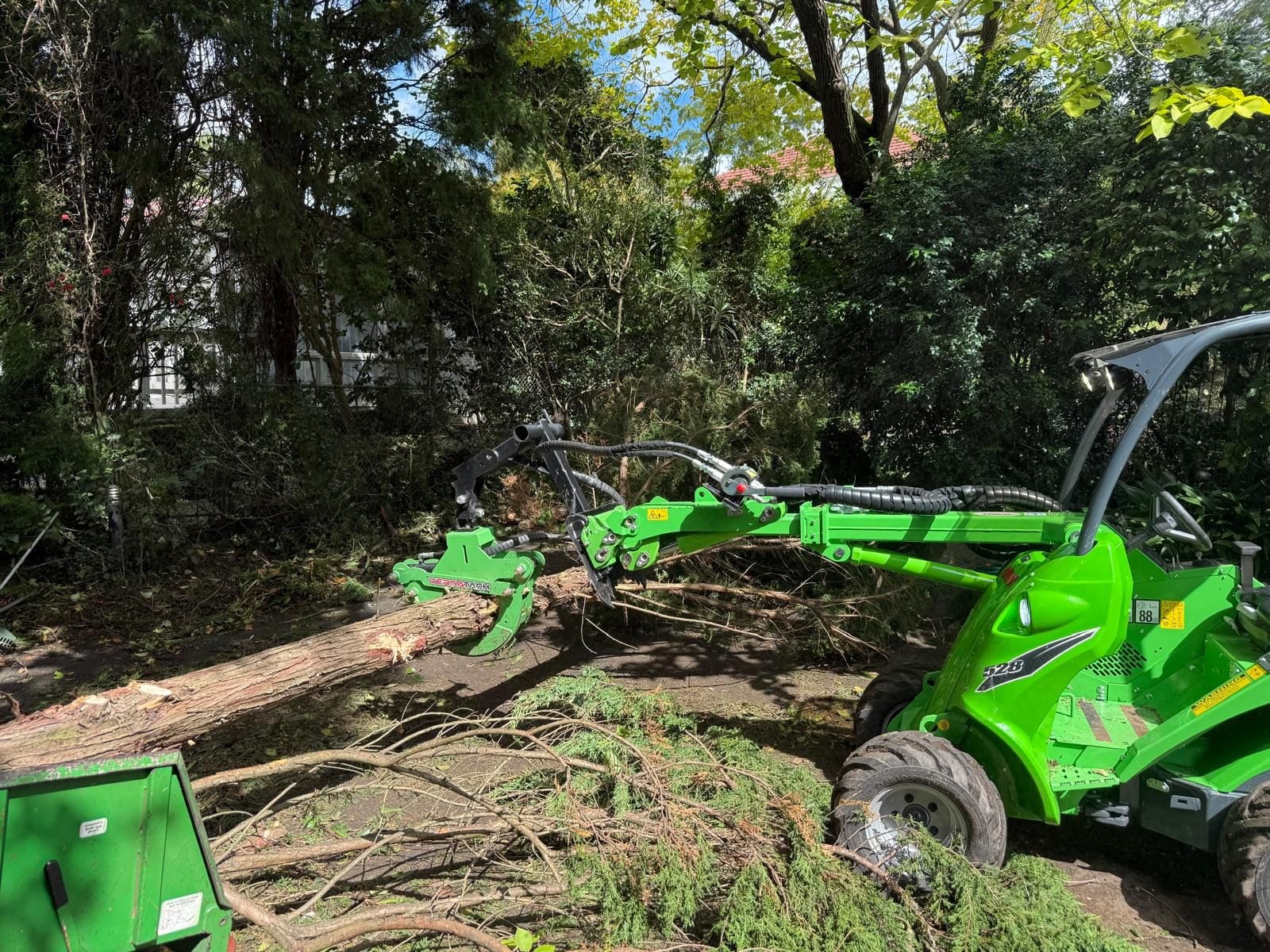
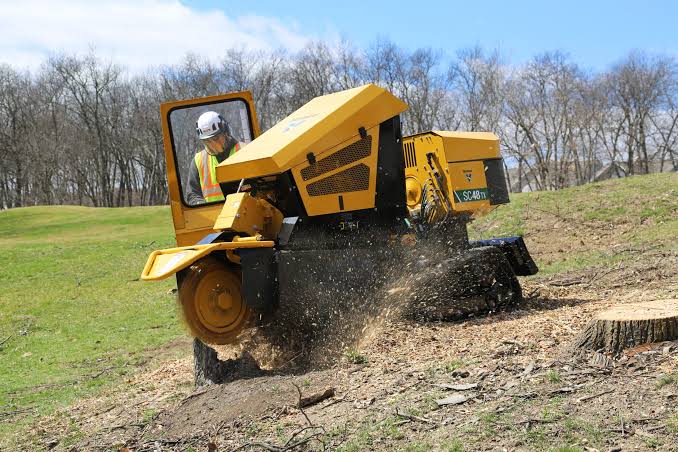
A tree can be gone while its stump remains a trip hazard, mower obstacle and reminder of the old problem. Stump grinding Sydney services remove the visible base without excavating the entire root plate. For most residential properties, grinding is faster and less disruptive than using an excavator to pull out the stump and roots.
The right result depends on stump size, wood hardness, access, depth and what you plan to do with the area. Before booking, decide whether the space will become lawn, a garden bed, paving, a deck footing or a replacement planting site.
How a Grinder Works
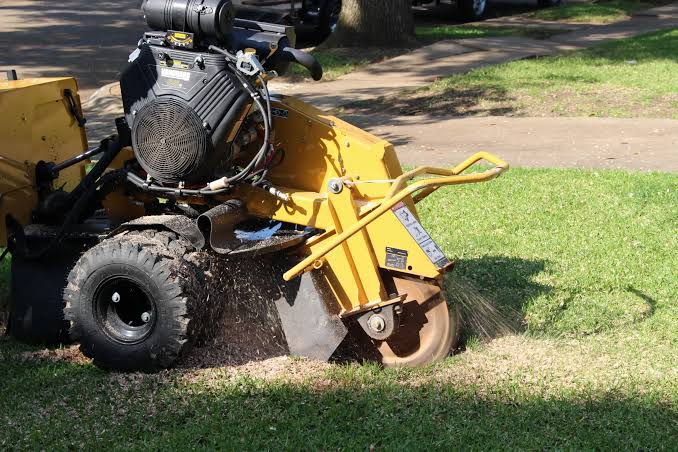
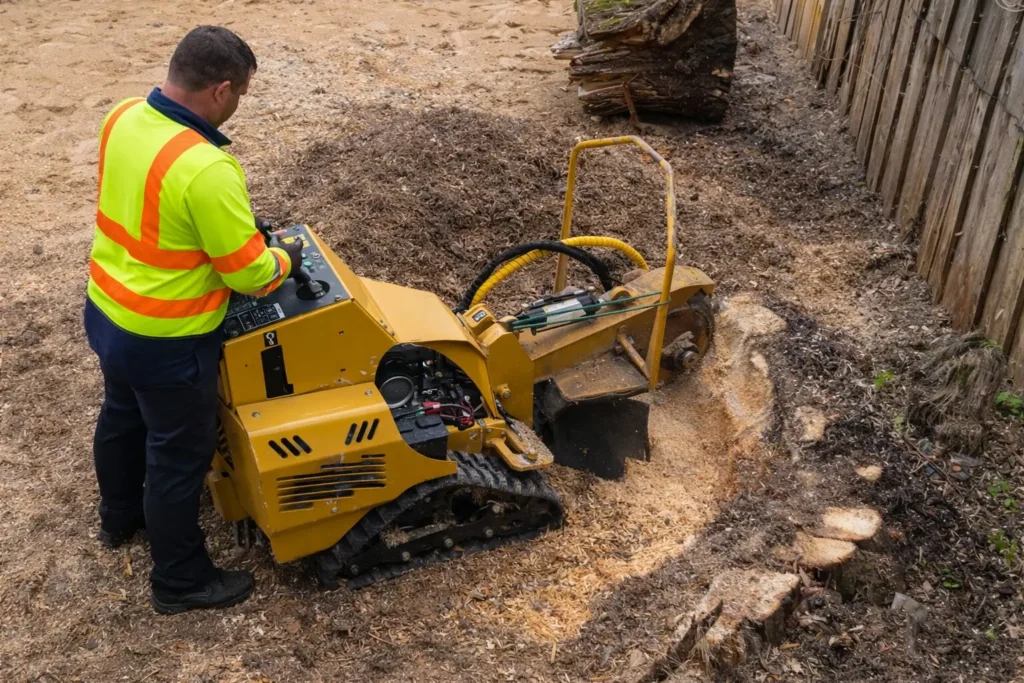
A stump grinder uses a rotating wheel fitted with carbide teeth. The wheel is moved across the stump in passes, shaving away wood and producing a mixture of chips and soil. Small walk-behind machines can fit through narrow side gates. Tracked or self-propelled grinders handle larger stumps, uneven ground and heavier hardwood.
The operator should clear stones and debris around the stump, identify underground services and protect nearby windows, fences, cars and garden beds. Stump grinding is not harmless garden work. The cutting wheel throws material at high speed and the operator needs suitable face, eye, hearing and foot protection.
Choosing Grinding Depth
A standard grind of about 150 to 200mm below grade usually suits lawn, mulch and general garden restoration. A deeper grind of 300 to 450mm may be needed before paving, concrete, a pool surround, a deck footing or a replacement tree. Full root-plate removal is different from grinding and creates a larger hole and more disturbance.
Tell the contractor what will happen next. If you only ask for the stump to disappear, the operator may assume the standard depth. A re-visit for deeper grinding costs more than specifying it the first time.
Sydney Price Guide
A small stump under 300mm may cost $120 to $250. A medium stump from 300 to 600mm often costs $250 to
$500. Large gum, fig or hardwood stumps can range from $600 to $2,500. Minimum call-out fees commonly apply, while several stumps in one visit reduce the average price.
Access affects the price. A machine that fits through a 750mm gate may be slower than a large tracked grinder. Rocks, rubble, old concrete, surface roots and underground services can also extend the work. Ask whether grindings are left, raked back or removed.
Grinding Versus Excavation
Grinding is usually best for lawns, garden beds and areas where nearby paving or services make excavation risky. It leaves deeper roots to decompose naturally and causes less surface disruption.
Excavation removes the stump and root plate but may need an excavator, machine access, spoil disposal and backfill. It is justified where the entire root system conflicts with a slab, pool, footing or major construction. It can damage walls, paths and services if the site is tight.
Chemical treatment is cheap but slow. Burning is unsafe and generally prohibited across metropolitan Sydney. Manual digging is realistic only for small stumps in soft soil.
Council and Service Checks
The original tree removal may have required council approval, even if the stump is now the only visible part. Check the NSW Government tree-removal referral guidance if you are unsure about the original work or a replacement plan.
Before grinding, confirm underground services and irrigation. The operator should know where water, gas, electrical, telecommunications and pool lines are located. Do not guess their depth.
Safety Standards
The Safe Work Australia guide to managing tree-work risks includes stump grinding among hazardous tree activities. Keep children, pets and bystanders outside the exclusion zone. Do not stand in the chip-throw path or lean over the machine while it is running.
Ask for public liability insurance, especially where the stump is near a fence, pool, window or paved area. A careful operator uses mats or protection where necessary and leaves the surrounding lawn reasonably intact.
What to Do With Grindings
The grindings are a wood-and-soil mixture, not automatically topsoil. Fresh wood can temporarily compete for nitrogen as it decomposes, so plants placed directly into the mixture may yellow or struggle. Options include raking it into the void and capping with quality soil, using it as pathway mulch elsewhere, composting it with a nitrogen source or paying for removal.
Follow the NSW EPA garden-organics disposal information if material leaves the property. Ask what the quote includes before the machine arrives.
Replanting After Grinding
You can often plant near a ground stump, but the exact centre may still contain roots and decomposing wood.
Offset the replacement by about a metre when space allows, or remove the grindings and backfill with good soil. Choose a species suited to the mature space. Replacing an oversized problem tree with the same species is a common mistake.
Research from QUT on urban tree benefits supports considering the wider value of replacement planting and healthy urban vegetation.
Choosing a Stump Grinder
Ask what machine will be used, how wide the access must be, what depth is included and whether the operator removes grindings. Confirm the quote includes clean-up and whether soil or turf repair is extra. Multiple stumps should be priced together.