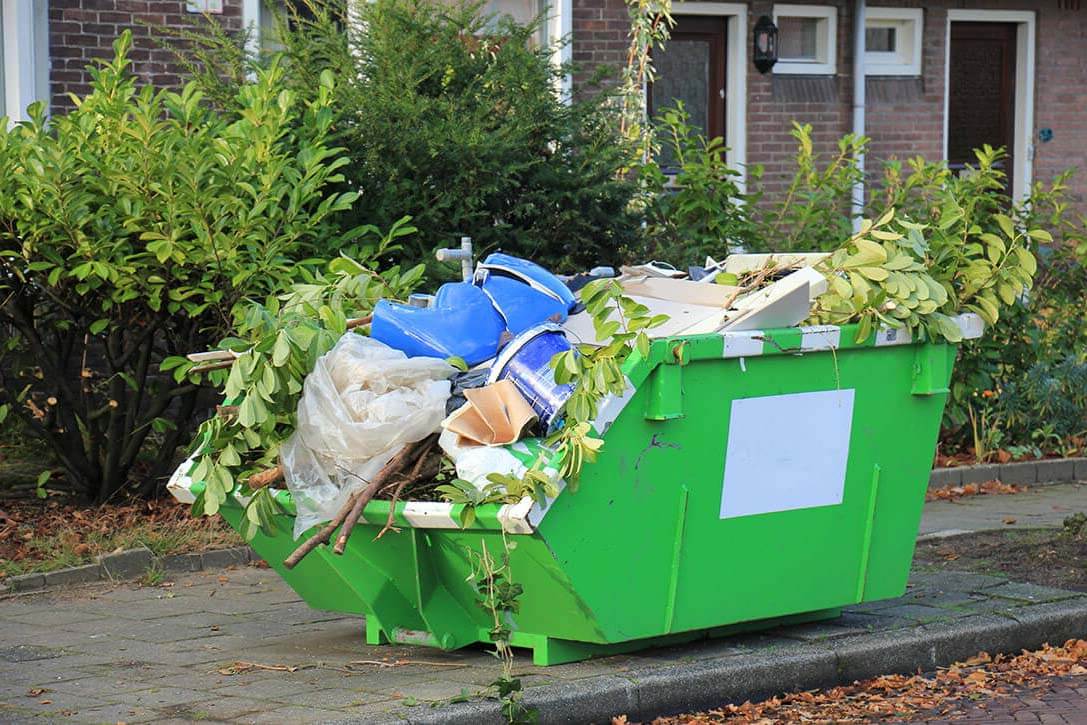
Every pruning job, hedge reduction, storm clean-up and backyard renovation produces the same problem: more branches and garden material than the household green bin can hold. Green waste removal Sydney services fill that gap, but the quality of the service depends on more than whether a truck arrives. The material must be separated, loaded, transported and delivered to a lawful facility.
This guide explains what counts as green waste, how to compare council collection, skips and professional crews, what Sydney removal usually costs and how to reduce the amount of material sent away.
What Counts as Garden Organics?
Garden organics commonly include branches, leaves, lawn clippings, weeds, hedge trimmings, palm fronds, untreated tree rounds, bark and clean stump grindings. Operators may accept turf and soil, but those materials are heavy and often priced separately.
Treated pine, painted timber, sleepers, fence palings, plastic pots, hoses, weed mat, wire, rubble, concrete and general household rubbish are not ordinary green waste. Mixing contaminants can change the waste classification and the receiving facility. Sort the pile before the crew arrives.
The NSW EPA garden-organics disposal guidance explains the responsibilities of waste owners and transporters. Ask any contractor where the load will go and whether disposal is included.
Four Main Disposal Options
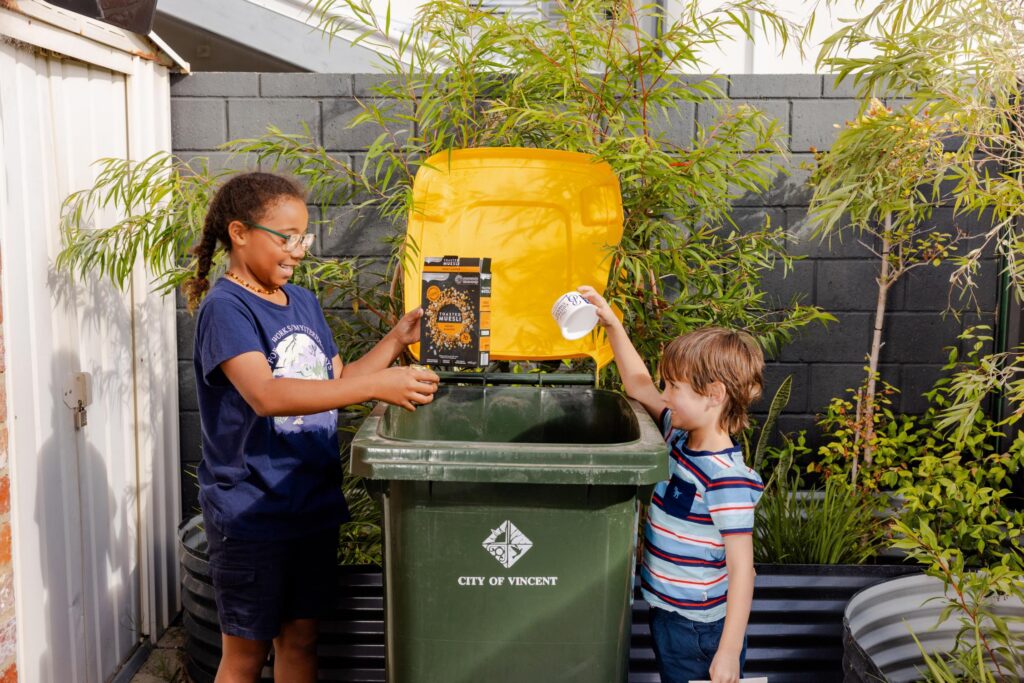
Council green bin
This is best for routine small volumes. It is already covered through council rates, but branch diameter, weight and volume limits apply. The lid normally needs to close and soil is usually excluded. Kerbside collection
Many councils offer a bookable clean-up with a vegetation allowance. It can be economical, but the booking may take time and the pile must be presented according to local rules. Check whether the material must be bundled or limited in length.
Green-waste skip
A skip suits a large pile when you are willing to load it. Green-only skips are cheaper than mixed skips, but contamination can lead to extra charges. A skip placed on a road may need council permission. Professional removal crew
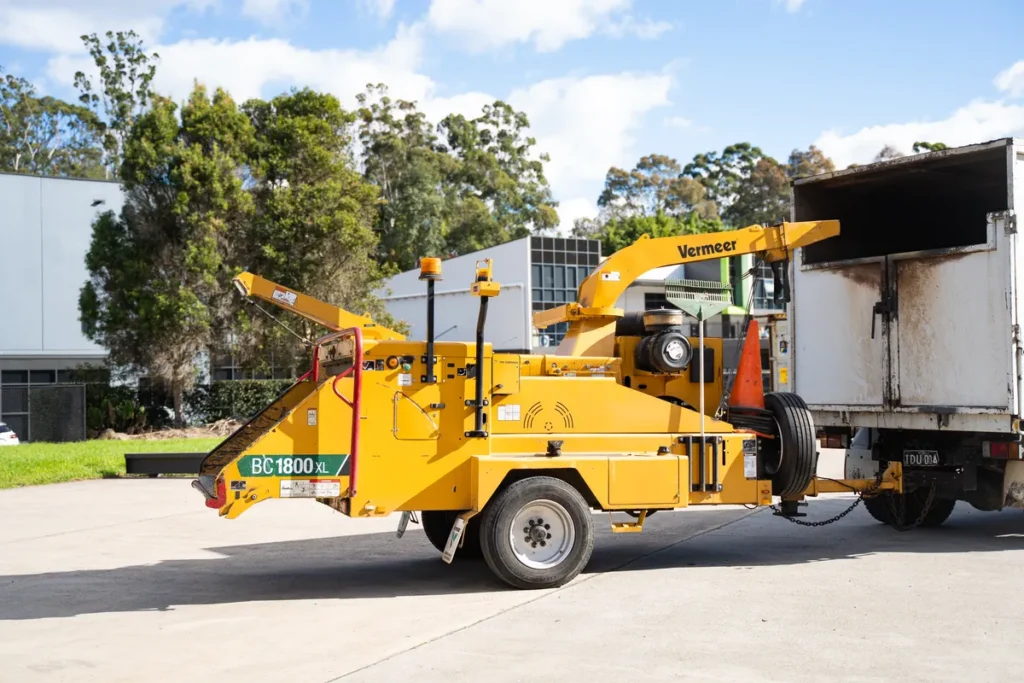
A crew provides labour, truck space, chipping and disposal. It costs more per cubic metre but saves time and is practical for steep, scattered or bulky material. On-site chipping can reduce the volume dramatically.
Sydney Price Guide
A small ute load of approximately 1.5 cubic metres may cost $150 to $300. A four to six cubic metre truck load commonly ranges from $350 to $650. Large tipper loads may cost $650 to $1,200. A two-person crew with a chipper may charge $150 to $250 per hour, with disposal either included or added.
The biggest variables are access, loading time, contamination and presentation. A neat pile beside a driveway costs less to collect than branches scattered across a steep backyard. Ask whether the quote includes labour, chipping, tip fees, clean-up and a receipt.
Preparing the Pile
Stack material in one place near the access point. Separate plastic pots, wire, stakes and treated timber. Cut long branches into manageable sections without creating unsafe sharp bundles. Move vehicles and unlock gates. Tell the contractor about stairs, narrow gates and overhead branches.
Decide whether you want clean chip left on site. It can be useful as surface mulch, reducing both disposal and future material purchases. Keep it away from tree trunks, walls, vents and termite barriers.
Why Lawful Disposal Matters
Under NSW waste rules, the waste owner and transporter have responsibilities. Paying a person with a ute does not automatically protect you if the material is dumped in a reserve or bushland. Uncovered loads can spill onto roads and enter drains. Ask for the facility name and keep a receipt or disposal record when possible.
A legitimate green waste removal Sydney business will explain what it accepts, how it charges and where the load is processed. Be cautious if the operator refuses to name the facility or offers a price far below every other quote.
What Happens at a Processing Facility?
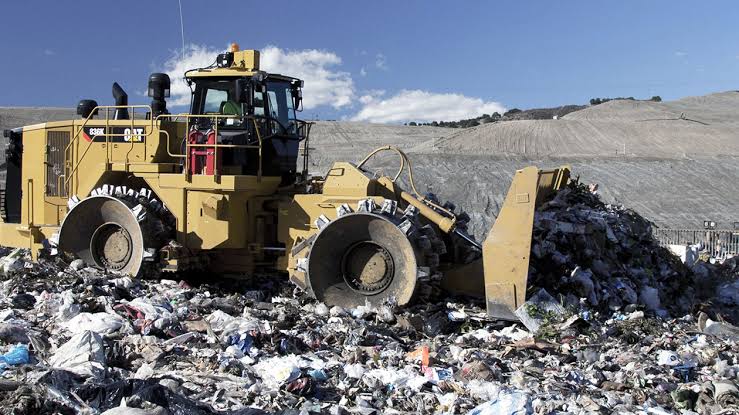
At a licensed organics facility, material is inspected for contamination, shredded or chipped and then composted, screened or processed into mulch. Heat generated during composting helps manage weed seeds and pathogens. Finished products can return to gardens as mulch, soil conditioner or compost.
The University of Technology Sydney urban tree-canopy research provides useful context on the value of urban vegetation and recycling tree material. Organic waste is not automatically rubbish.
Reducing Green Waste
Chop and drop suitable soft prunings on garden beds. Compost leaves and small clippings. Use a home mulcher only if you understand safe operation and the material is appropriate. Mow with the catcher off where lawn conditions allow. Choose plants that fit the available space so pruning does not become a permanent disposal routine.
After tree work, ask the contractor whether chip can stay. When a tree must be removed, sound logs can often be kept for firewood and branches can become mulch.
Choosing a Contractor
Ask for current public liability insurance, a written scope, the facility name and clear contamination rules. Confirm the truck size and whether access is included. The Safe Work Australia tree-work guidance is relevant when loading follows pruning, removal or chipping work.