Tree removal Blue Mountains work is different from ordinary suburban tree work. Properties may sit on steep slopes, adjoin bushland, have narrow vehicle access and contain tall native trees with habitat value. Weather, bushfire conditions and sandstone terrain add another layer of planning.
Residents in Springwood, Blaxland, Glenbrook, Wentworth Falls, Lawson, Katoomba and surrounding communities should expect a site-specific assessment. A contractor needs to understand not only how to cut the tree but where timber will travel, how machinery will sit and whether native vegetation controls apply.
Local Tree Risks
Eucalypts, angophoras, scribbly gums, blackbutts and introduced pines are common. Heat, drought, saturated soil and strong winds can contribute to limb failure or windthrow. Trees on slopes may have roots exposed by erosion or construction. A tree that appears stable from the road can have a compromised root plate above or below the house.
Removal may be appropriate for severe decay, unstable roots or a defect that cannot be managed. It is not automatically the best answer for shade, leaf litter or an overhanging branch. Deadwooding, crown reduction, selective removal or a habitat-pole reduction may reduce risk while keeping useful canopy.
Bushland and Approval Checks
Before work, check Blue Mountains City Council controls and whether the property contains native vegetation, a heritage item, a threatened ecological community or a bushfire-related restriction. Begin with the NSW Government tree-removal referral, then confirm the local process.
The 10/50 scheme may apply in eligible bushfire areas, but the official NSW RFS tool and code must be checked before clearing. The scheme has boundaries and conditions. It does not allow clearing into a reserve, national park or neighbouring property.
Photograph dead or dangerous trees before work if relying on an exemption. Keep written arborist advice and approval records.
Planning Work on Slopes
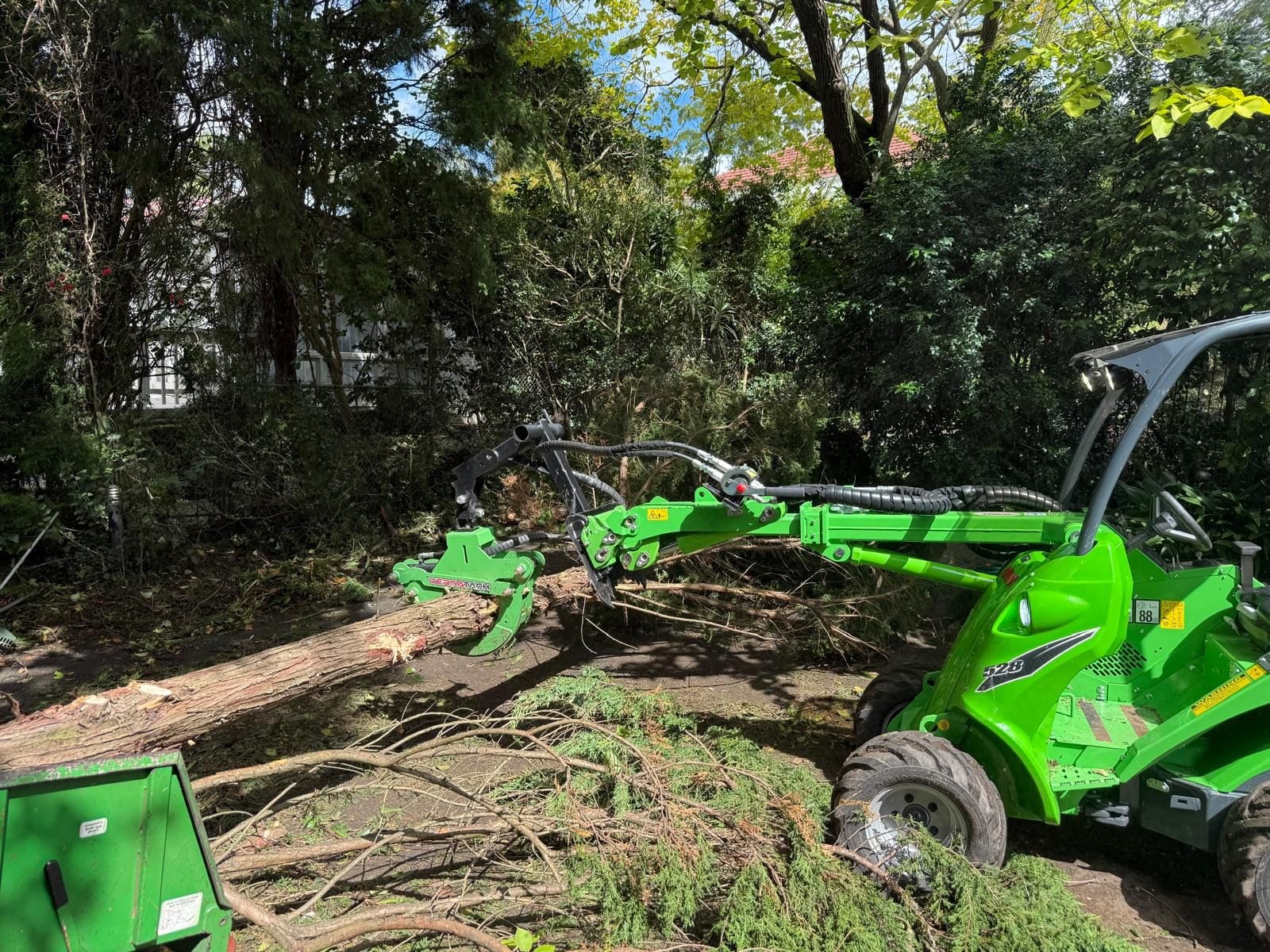
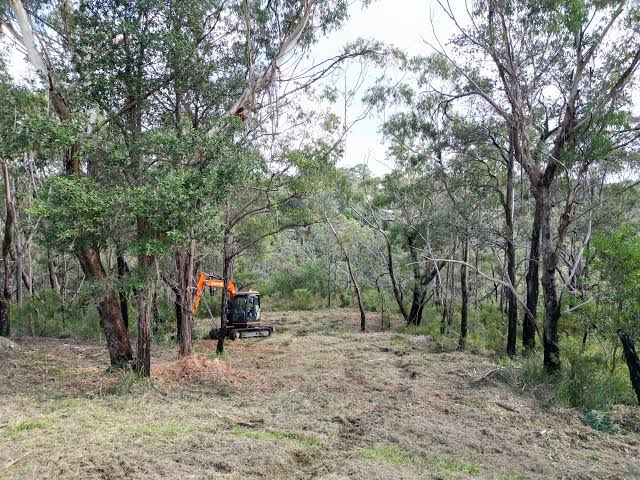
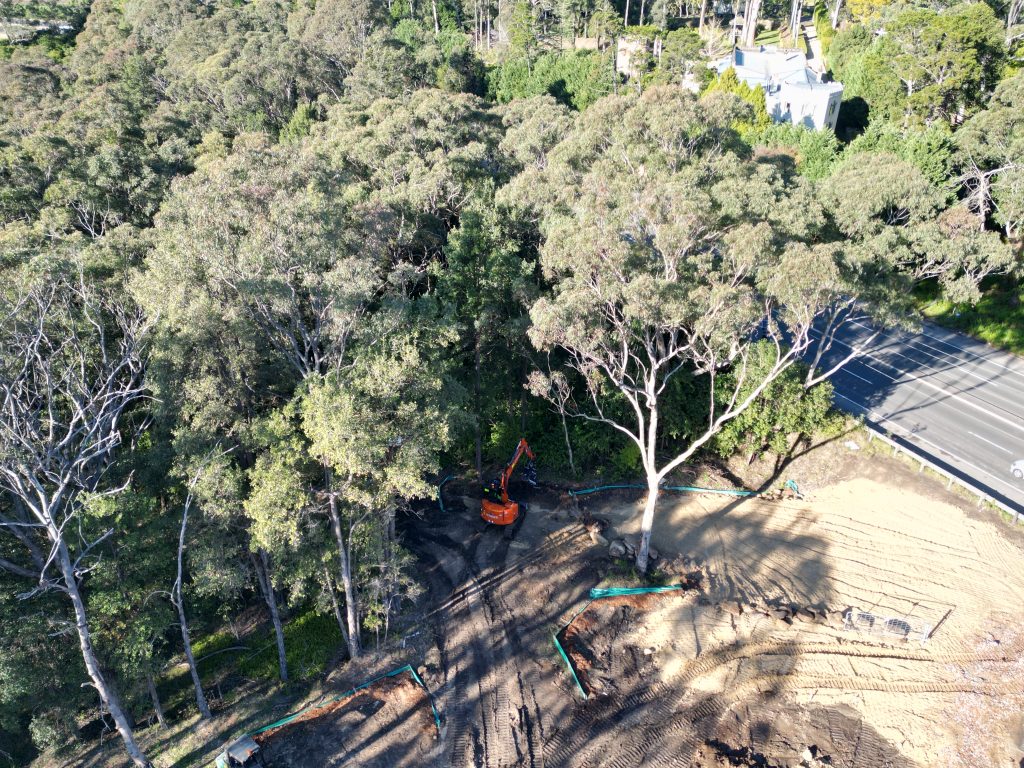
A crew may use climbing, lowering ropes, winches, tracked equipment or directional felling. On steep blocks, the drop zone and escape route need special attention. Logs can roll, branches can slide and machinery can become unstable. The operator may stage material on a level area or process branches higher on the slope.
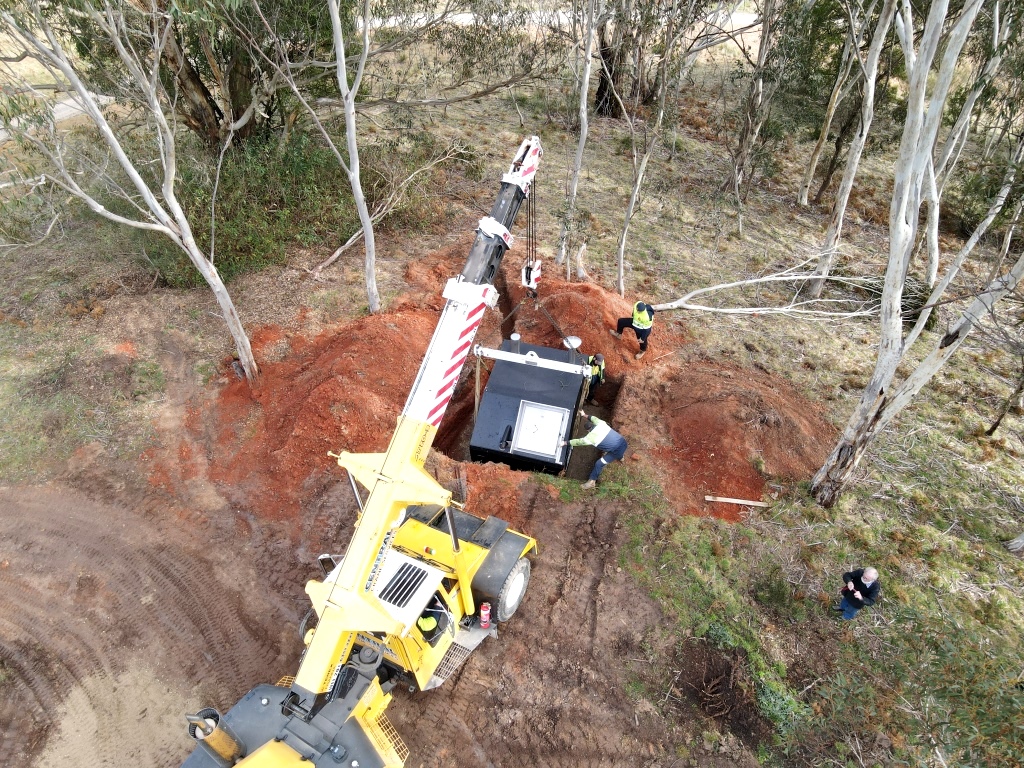
Access also affects price. A chipper parked at the street may require long hand-carry distances. Mats may be needed to protect paths and soil. A crane or winch can make a difficult job safer but adds equipment cost.
The Safe Work Australia tree-work safety guide covers falling objects, falls, chipping and removal. Ask for a method and exclusion zone before work starts.
Cost Guide
Small accessible trees may cost $500 to $1,200. Medium removals often range from $1,200 to $3,500. Large trees on steep blocks can cost $4,000 to $12,000 because of rigging, winching, hand-carrying and disposal. Stump grinding is additional.
Tree removal Blue Mountains pricing is influenced more by access and slope than by suburb alone. A tall tree in an open section may be straightforward, while a shorter tree above a house can require a multi-day dismantle. Ask whether travel, equipment and waste disposal are included.
Protecting Habitat
Blue Mountains trees can provide hollows, nesting sites, food and shelter. Hollow-bearing trees may take many decades to develop and cannot be quickly replaced. Where the tree is unsafe but a standing stem can be retained, a habitat pole may be considered. This depends on the target area and structural condition.
The University of Technology Sydney urban canopy research provides useful context on retaining and valuing urban vegetation. Ask whether pruning, partial retention or replacement planting can improve the outcome.
Waste and Reuse
Clean branch chip can be used as surface mulch, but keep it away from trunks, walls and termite barriers.
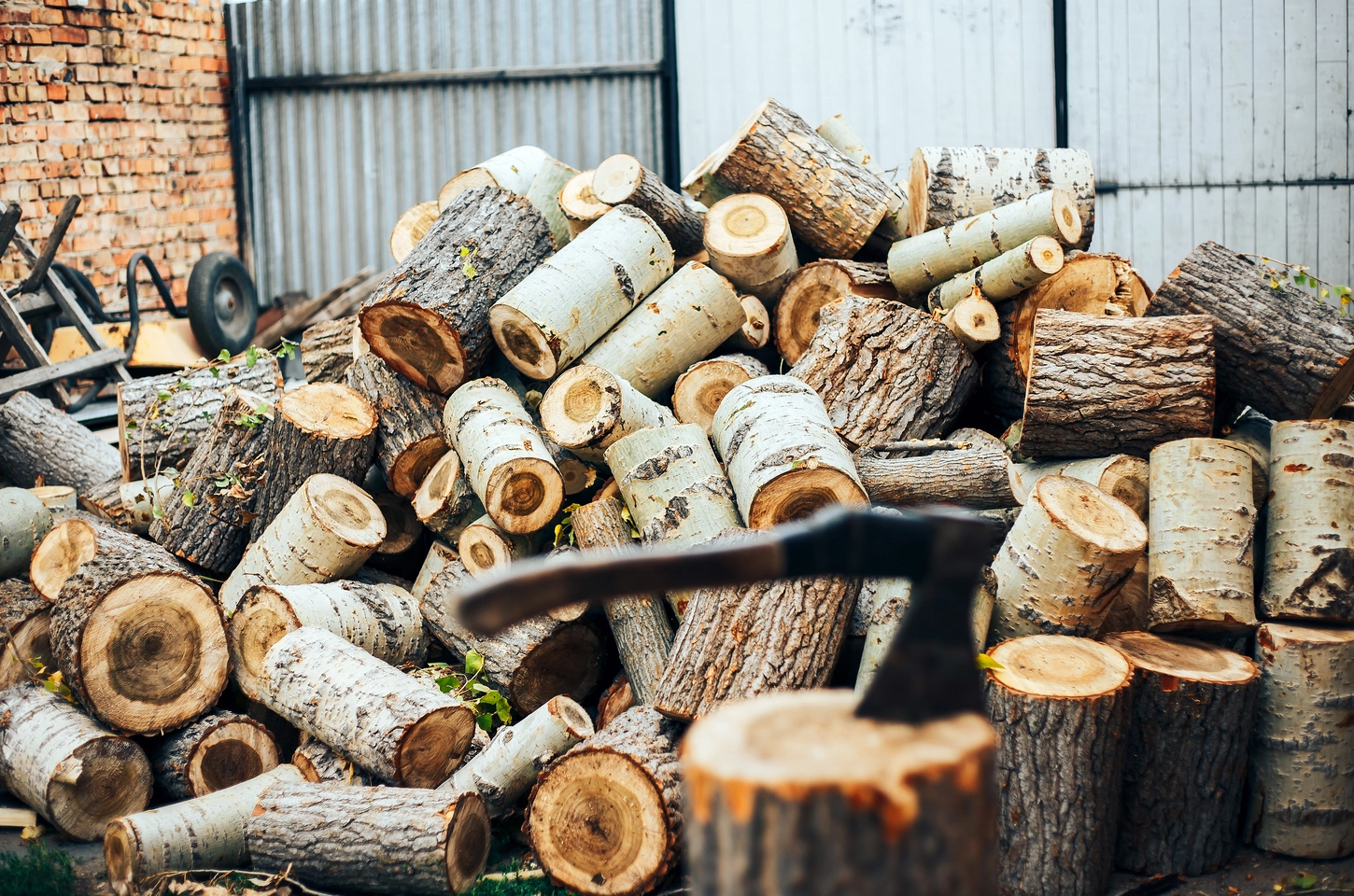
Suitable timber may be cut for firewood. Material leaving the property should go to a lawful organics facility. The NSW EPA garden-organics information explains responsible disposal.
Selecting a Contractor
Choose a crew with slope experience, suitable equipment, current insurance and knowledge of local approval. Ask whether they can manage winching, rigging and narrow access. Request a written quote identifying the trees, method, clean-up, disposal and stump work.
Avoid operators who promise to clear everything without discussing native vegetation, bushfire rules or habitat. Be wary of cash-only pricing, no inspection and unsafe ladder chainsaw work.